The biblical meaning of a bride goes far beyond a wedding dress or a marriage ceremony.
Throughout Scripture, a bride can represent love, commitment, joy, and a covenant relationship.
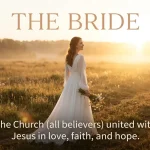
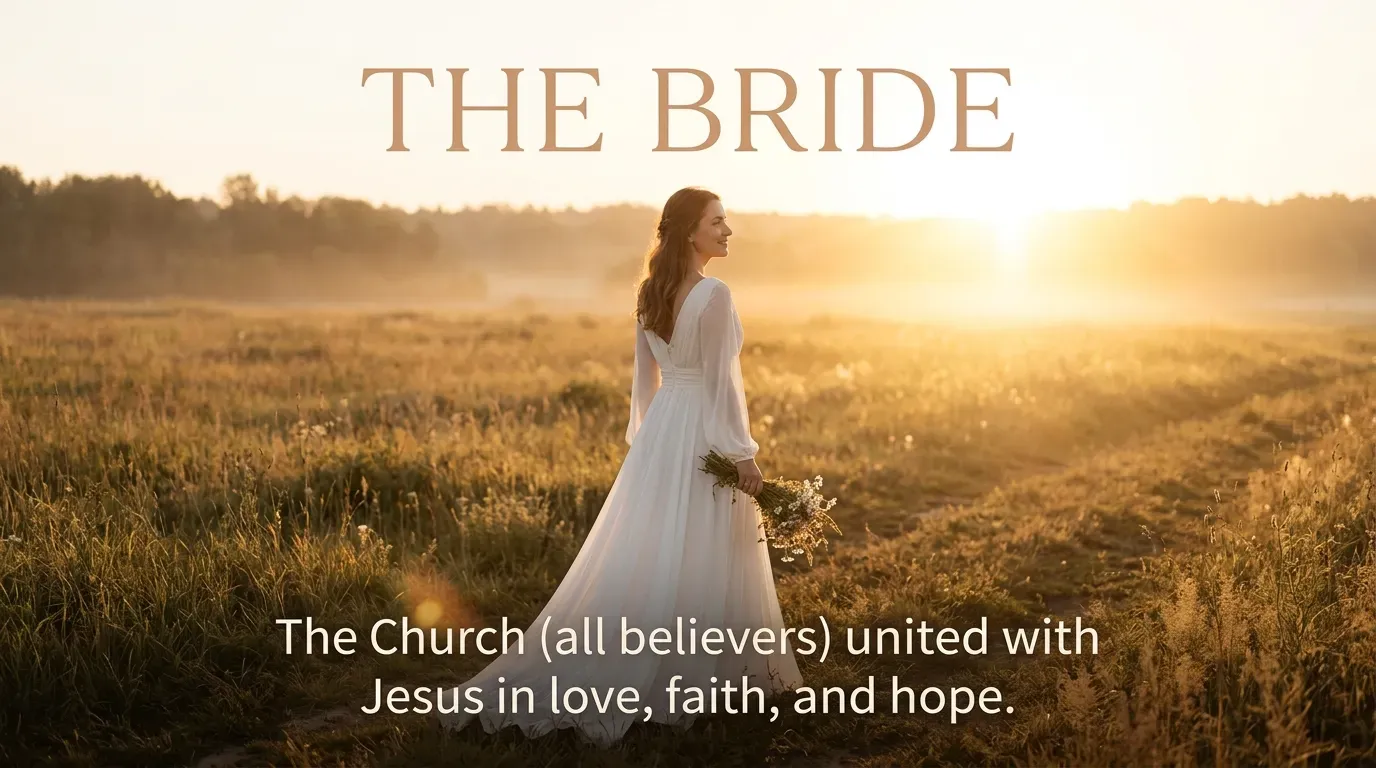
In the New Testament, the bride is also a powerful picture of the Church’s relationship with Jesus Christ.
If you searched for the biblical meaning of a bride in 2026, you may have seen videos or articles connecting the Bride of Christ with end-times predictions.
It is worth examining those claims carefully. The Bible uses bride imagery, but it does not specifically identify the year 2026 as the year of Christ’s return or the fulfillment of a special bridal prophecy.
Understanding the original passages helps us separate biblical teaching from modern speculation.
It also reveals an encouraging message: God calls His people to remain faithful, grow in holiness, and live with hope as they await Christ.
This guide explores the Hebrew and Greek background, important Bible verses, the meaning of the Bride of Christ, and practical lessons Christians can apply today.
Did You Know? 🔍
The New Testament directly connects bride imagery with the Church and Jesus Christ. Revelation 19:7–9 describes the marriage of the Lamb, while Revelation 21:2 pictures the holy city as a bride prepared for her husband. These passages use wedding imagery to communicate spiritual truths about God’s people and their future hope.
Bible Gateway
+1
Quick Answer: What Is the Biblical Meaning of a Bride? 💍
The biblical meaning of a bride includes love, commitment, covenant faithfulness, and joyful union. In the New Testament, the bride often symbolizes the people of God, commonly understood by Christians as the Church, while Jesus is portrayed as the Bridegroom. The phrase “2026 bride” is not a biblical expression, and Scripture does not establish 2026 as a prophetic date for this relationship.
Biblical Meaning of a Bride in Scripture 📖
The Bible uses marriage as an image to explain relationships, promises, and spiritual faithfulness. To understand the meaning of a bride, we need to look at both literal marriage and the symbolic language used by biblical writers.
Hebrew Meaning of a Bride
The Hebrew word commonly translated as “bride” is kallah (כַּלָּה). Its meaning is connected with a woman who is marrying or has entered a marriage relationship. The exact sense depends on the passage and its context.
In the Old Testament, marriage was an important family and community commitment. Wedding celebrations could involve family gatherings, music, joy, and a public recognition of the new relationship.
The Bible also uses marriage imagery to describe God’s relationship with His people. This does not mean every mention of a bride has a hidden spiritual meaning. Some passages describe ordinary human marriage, while others use marriage as a picture of covenant love and faithfulness.
Greek Meaning of a Bride
The Greek word commonly translated as “bride” in the New Testament is nymphē (νύμφη). It refers to a bride or a newly married woman. The related word nymphios means “bridegroom.”
These words appear in passages that describe weddings and in passages with deeper spiritual meaning. For example, John 3:29 refers to the bridegroom, and Revelation 21:2 describes the holy city as a bride prepared for her husband.
The original-language words help clarify what the text says, but they do not prove modern claims about a special year or secret prophetic timetable.
Literal Meaning of a Bride
In its ordinary sense, a bride is a woman entering marriage. Biblical accounts of marriage reflect the customs and expectations of their time, although practices varied across periods and communities.
Marriage could involve a formal agreement, family arrangements, a celebration, and a new household. Jesus also used familiar wedding scenes when teaching about the kingdom of heaven.
For example, Matthew 25:1–13 tells the parable of ten virgins waiting for the bridegroom. The story uses a wedding setting to teach watchfulness and preparedness. Its main lesson should come from Jesus’ teaching, not from assigning a new meaning to every detail.
Spiritual Meaning of a Bride
The spiritual meaning of a bride depends on the passage. In some Old Testament texts, marriage imagery describes God’s covenant relationship with Israel. In the New Testament, the bride can symbolize the Church and its relationship with Christ.
This picture communicates several ideas:
- Love: God’s relationship with His people is described with language of deep care and affection.
- Faithfulness: God’s people are called to remain loyal to Him.
- Holiness: Christians are encouraged to live in a way that reflects their faith.
- Hope: Revelation points toward the future joy and restoration of God’s people.
The central message is not that Christians must decode a date. It is that their relationship with God should shape their daily choices.
Biblical Significance of the Bride of Christ
The Bride of Christ is a Christian image drawn from several New Testament passages. In Ephesians 5:25–27, Paul compares Christ’s love for the Church to a husband’s love for his wife. Christ’s self-giving love is the central point of this comparison.
Second Corinthians 11:2 also uses the picture of a faithful bride to describe Paul’s desire to present the believers in Corinth to Christ with sincere devotion.
Revelation develops the image further. The marriage of the Lamb represents joy and the fulfillment of God’s purposes. Christian traditions differ on some details of end-times interpretation, but the text’s emphasis on faithfulness and hope remains important.
Historical and Biblical Context of Bride Imagery 🏺
Bride Imagery in the Old Testament
The Old Testament contains both literal wedding accounts and symbolic marriage language.
In Isaiah 62:5, the prophet uses the joy of a bridegroom rejoicing over his bride to describe God’s joy concerning His people. The image communicates restoration, delight, and a renewed relationship.
Hosea 2:19–20 uses the language of betrothal to express God’s commitment to His people. The passage emphasizes righteousness, justice, love, compassion, and faithfulness.
Other passages use marriage imagery to address unfaithfulness. For example, parts of Jeremiah and Ezekiel describe Israel’s disloyalty through the language of an unfaithful spouse. These are serious prophetic pictures of covenant failure, not simple descriptions of wedding customs.
The context matters: the same broad image of marriage can communicate joy, restoration, warning, or judgment.
Bride Imagery in the New Testament
In the New Testament, Jesus is identified as the Bridegroom in several passages. In John 3:29, John the Baptist describes himself as the bridegroom’s friend, rejoicing at the bridegroom’s voice. The passage points toward Jesus’ role and John’s joy in it.
In Matthew 9:15, Jesus refers to the bridegroom when explaining why His disciples do not fast in the same way as John’s disciples. Wedding joy provides the setting for His answer.
Ephesians 5:25–27 connects Christ’s sacrificial love with the Church. Revelation 19:7–9 then portrays the marriage supper of the Lamb, using celebration and readiness to express hope for God’s people.
Together, these passages help explain why the Bride of Christ is an important Christian teaching.
What Weddings Meant in Biblical Times
Wedding customs in the ancient world were not identical to modern ceremonies. They often involved families, feasting, public celebration, and a period of preparation. The arrival of a bridegroom could be an important part of the event.
Jesus drew on these familiar scenes because His listeners understood the joy of a wedding and the need to prepare for an expected arrival. His parables use everyday experiences to communicate spiritual lessons.
However, historical background should be used carefully. Not every modern wedding custom existed in biblical times, and not every detail of a modern wedding can be mapped directly onto the return of Christ.
Is the Bride of Christ Mentioned in the Bible? 📜
The exact expression “Bride of Christ” is a common Christian summary of biblical imagery. The New Testament uses bride language in passages such as 2 Corinthians 11:2 and Revelation 19:7–9. Ephesians 5:25–27 compares Christ’s love for the Church with a husband’s love for his wife.
Bible Gateway
+1
These passages matter because they teach that faith is not merely about following rules. It involves a relationship marked by love, devotion, and faithfulness.
The bride image also points toward hope. Revelation 21:2 describes the holy city as a bride prepared for her husband, and Revelation 21:9–10 continues the vision of the New Jerusalem. The imagery connects God’s future restoration with the joy and beauty of a wedding.
But the Bible does not use the specific phrase “2026 bride” as a title for a prophetic group or event. No passage establishes that 2026 is the year when the Bride of Christ must be revealed, gathered, or united with Jesus.
If an online teaching makes that claim, ask which passage supports it and whether the passage actually names the year. A confident presentation does not make a prediction biblical.
Spiritual Meaning and Symbolism of the Bride ❤️
Love and Covenant
A bride can symbolize a relationship built on love and commitment. In the Bible’s spiritual imagery, God calls His people to respond to Him with faithfulness rather than treating faith as an empty ritual.
This does not mean believers earn God’s love through perfect behavior. Christian teaching places God’s grace and Christ’s love at the heart of the relationship. Faithfulness is a response to that love.
Purity and Spiritual Readiness
In 2 Corinthians 11:2, Paul uses the image of a faithful bride to express concern that believers remain devoted to Christ. Ephesians 5:26–27 describes Christ’s work in relation to the Church’s holiness.
These passages encourage Christians to examine their beliefs and conduct. Spiritual readiness involves repentance, trust, love, and obedience. It does not require believing every prediction that claims to reveal the date of Christ’s return.
Joy and Hope
Wedding imagery often communicates celebration. Revelation 19:7–9 presents the marriage of the Lamb as a reason for rejoicing and giving God glory.
For Christians, this picture points toward the hope that evil and suffering will not have the final word. It encourages perseverance, even when the future feels uncertain.
Faithfulness Instead of Fear
Some modern prophecy messages create fear by suggesting that a person will miss God’s plan unless they understand a special date or secret message. The biblical image of the bride should not be used to manipulate people.
Christians can take end-times passages seriously without claiming knowledge that Scripture does not provide. The emphasis should remain on faithfulness, hope, and living responsibly before God.
Bride Meaning vs Modern “2026 Bride” Claims: A Comparison ⚖️
| Topic | What Scripture supports | What needs caution |
| Bride of Christ | Bride imagery is used for the Church and its relationship with Christ. | Treating one modern group as the only people represented without explaining the interpretation. |
| Spiritual readiness | Jesus teaches watchfulness and faithfulness. | Claiming a secret checklist is needed to be accepted by God. |
| Marriage supper of the Lamb | Revelation 19:7–9 describes this image. | Assigning a precise modern date without biblical evidence. |
| The year 2026 | It is a modern calendar year. | Claiming the Bible specifically identifies 2026 as the year of the Bride of Christ. |
| Biblical symbolism | Context helps explain symbolic language. | Treating every dream, number, or online message as a direct prophecy. |
The key distinction is between what a biblical passage actually says and what a modern teacher believes it means. Christians may hold different views about the details of prophecy, but specific date claims require strong evidence and should never be presented as direct biblical statements when the text does not say them.
Biblical Verses About the Bride and Bridegroom 📖
1. Isaiah 62:5 — God Rejoices Over His People
Isaiah uses the joy of a bridegroom and bride to describe God’s relationship with His people. The image offers comfort and hope, especially in a chapter concerned with restoration.
The point is not a prediction about a modern calendar year. It is a picture of God’s delight and the renewal of His people’s fortunes. The verse reminds readers that biblical imagery can express God’s love through familiar human relationships.
Life lesson: Remember that Scripture presents God’s relationship with His people through both justice and tender care.
2. Hosea 2:19–20 — Faithfulness and Compassion
In Hosea, God promises to betroth His people to Himself in righteousness, justice, love, compassion, and faithfulness. This language appears in a larger prophetic message about Israel’s unfaithfulness and God’s promise of restoration.
The passage does not teach that the Church should calculate the year of a wedding in heaven. Instead, it highlights the character of the relationship God desires: one marked by faithfulness and mercy.
Life lesson: Let your faith grow through trust, compassion, and a sincere desire to follow God.
3. Matthew 9:15 — Jesus as the Bridegroom
Jesus uses the image of a bridegroom to explain why His disciples are not fasting while He is with them. A wedding is a time of joy, so fasting does not fit every moment in the same way.
The verse helps establish the New Testament’s bridegroom imagery. It also reminds readers that Jesus’ presence and mission are central to the passage. The focus is not a date in the future but the meaning of His presence among His disciples.
Life lesson: Read Jesus’ words in context before using them to support a modern teaching.
4. Matthew 25:1–13 — The Ten Virgins
In this parable, ten virgins wait for a bridegroom. Some bring enough oil for their lamps, while others are unprepared when the bridegroom arrives. Jesus ends by calling His listeners to watch because they do not know the day or hour.
The main lesson is readiness. The parable does not reveal a calendar date, and it should not be used to declare that 2026 is the year of Christ’s return. Its message is to live faithfully rather than assume there will always be more time.
Life lesson: Build a steady life of faith instead of waiting for a predicted date to become spiritually serious.
5. John 3:29 — The Friend of the Bridegroom
John the Baptist describes himself as the friend of the bridegroom who rejoices at the bridegroom’s voice. His words show that he understands his own role and welcomes the attention turning toward Jesus.
This is a helpful example of humility. John does not try to take the bridegroom’s place. He is glad to serve the purpose God gave him.
Life lesson: Faithful service means pointing people toward Christ, not seeking attention for yourself.
6. 2 Corinthians 11:2 — Devotion to Christ
Paul says that he has betrothed the Corinthian believers to one husband, Christ, and wants to present them as a pure virgin to Him. In context, Paul is warning the church against being led away from sincere devotion to Jesus.
The bridal image represents loyalty and spiritual integrity. It is not a code that identifies a secret group of Christians in a particular year.
Life lesson: Test spiritual messages carefully and stay rooted in the teaching of Christ.
7. Ephesians 5:25–27 — Christ Loves the Church
Paul tells husbands to love their wives as Christ loved the Church and gave Himself for her. The passage uses Christ’s sacrificial love as the model for Christian marriage.
The main emphasis is not power or status but self-giving love. Christ’s relationship with the Church is presented as one that seeks her good and holiness.
Life lesson: Genuine love is shown through sacrifice, care, respect, and faithful action.
8. Revelation 19:7–9 — The Marriage of the Lamb
This passage calls readers to rejoice because the marriage of the Lamb has come. The bride is described as ready, and the scene ends with a blessing for those invited to the marriage supper of the Lamb.
Christians interpret some details of Revelation differently, but the passage clearly uses wedding imagery to express joy and the fulfillment of God’s purposes. It does not state that this event will take place in 2026.
Life lesson: Hold on to Christian hope while remaining honest about what Scripture does and does not reveal.
9. Revelation 21:2 — The Holy City as a Bride
John sees the holy city, New Jerusalem, coming down from heaven, prepared like a bride adorned for her husband. This vision belongs to Revelation’s picture of God’s final restoration.
The verse uses beauty and preparation to communicate the glory of what God brings about. The city is not simply a modern wedding symbol; it is part of a larger vision of renewed creation and God’s dwelling with His people.
Life lesson: Let the hope of God’s promised future encourage faithful living in the present.
10. Revelation 22:17 — The Invitation to Come
The final chapter of Revelation contains the invitation, “Come.” The Spirit and the bride speak, and the thirsty are invited to receive the water of life freely.
This verse brings the biblical story toward an open invitation rather than a secret calendar. It calls people to respond to God’s offer of life.
Life lesson: Share the hope of the gospel with humility, kindness, and openness.
A Biblical Case Study: John the Baptist and the Bridegroom 🕊️
John 3:22–30 offers a clear example of how to understand bridegroom imagery. Some people were concerned that more people were going to Jesus. John answered by explaining that a person can only receive what has been given to them from heaven.
He then used the picture of a wedding. The bride belongs to the bridegroom, while the bridegroom’s friend stands nearby and rejoices at his voice. John said that his joy was complete because Jesus was receiving the attention appropriate to Him.
This story teaches humility and clarity. John knew his role and did not try to become the center of the story. He was pleased to point people toward Jesus.
The same principle helps Christians evaluate modern claims about the Bride of Christ in 2026. Rather than treating a date as a secret key to spiritual status, believers can ask whether a teaching directs attention to Christ and reflects the wider message of Scripture.
John’s example encourages a faith that is joyful, grounded, and free from the need to claim special knowledge.
Life Lessons for Christians Today 🌱
1. Read Prophecy in Its Full Context
A verse should not be separated from its chapter or treated as proof of a claim it never makes. Read the surrounding passage and compare it with other relevant Scriptures.
2. Focus on Faithfulness, Not Date-Setting
The Bible encourages readiness for Christ, but readiness is not the same as knowing the date of His return. Make everyday choices that reflect your faith.
3. Practice Love and Humility
The Bride of Christ image highlights a relationship with Jesus. Let that relationship shape how you treat your family, neighbors, church community, and people who disagree with you.
4. Test Online Teachings
A video, dream, or prediction may sound convincing, but it still needs to be tested against Scripture. Ask for clear references, read them in context, and seek guidance from trusted Christian teachers.
5. Live With Hope Rather Than Fear
Revelation’s wedding imagery offers hope and joy. It should not be turned into a reason to panic, spend money out of fear, or believe that God has abandoned you because you do not understand a prophecy.
Common Misunderstandings About the Bride of Christ ⚠️
Misunderstanding 1: The Bible Predicts a Special Bride Event in 2026
The Bible does not identify 2026 as a special year for the Bride of Christ. Modern teachers may offer their own interpretations, but those interpretations should not be presented as direct statements of Scripture.
Misunderstanding 2: Every Bride Reference Means the Church
Not every biblical bride is symbolic. Some passages describe ordinary marriage. Others use marriage imagery for Israel, God’s people, or the Church. The passage’s setting and purpose help determine its meaning.
Misunderstanding 3: Spiritual Readiness Means Being Perfect
Biblical calls to holiness and faithfulness do not mean a person must achieve sinless perfection to be loved by God. Christian teaching emphasizes God’s grace and the transforming work of faith.
Misunderstanding 4: A Date Prediction Proves Spiritual Insight
A confident prediction is not proof of divine revelation. Christians should examine claims carefully and avoid treating a specific year as certain when Scripture does not establish it.
Misunderstanding 5: The Bride of Christ Is Mainly About Wedding Clothes
Revelation uses clothing and wedding imagery, but the message is larger than outward appearance. The imagery points to God’s people, faithfulness, celebration, and the fulfillment of His purposes.
Expert Insight: How to Study Bride Imagery Correctly 💡
When you find the word “bride” in the Bible, ask three questions:
- Is the passage literal or symbolic? Look at the surrounding verses and the kind of writing.
- Who is being described? The text may refer to a human bride, Israel, the Church, or the holy city.
- What does the passage actually say about the future? Do not add dates or predictions that the passage does not provide.
A reliable Bible study compares translations, checks the historical setting, and considers the wider message of Scripture. Original-language word studies can help, but a Hebrew or Greek definition alone cannot prove a modern prophecy.
FAQs
1. What is the biblical meaning of a bride?
A bride can represent a woman entering marriage, but biblical writers also use bride imagery to describe covenant love and faithfulness. In the New Testament, the bride is commonly understood as a symbol of the Church in its relationship with Jesus Christ.
2. What is the meaning of the Bride of Christ?
The Bride of Christ is a Christian expression for the Church in its relationship with Jesus. Passages such as 2 Corinthians 11:2, Ephesians 5:25–27, and Revelation 19:7–9 provide the biblical basis for this imagery.
3. Does the Bible say 2026 is the year of the Bride of Christ?
No biblical passage specifically identifies 2026 as the year of the Bride of Christ or Christ’s return. People may offer modern interpretations, but those claims should be distinguished from what Scripture directly says.
4. What does a bride symbolize spiritually?
Depending on the passage, a bride may symbolize love, covenant commitment, joy, faithfulness, and spiritual readiness. When the Church is portrayed as Christ’s bride, the image points to its relationship with Jesus and the hope of God’s promised future.
5. What Bible verse talks about the Bride of Christ?
Revelation 19:7–9 describes the marriage of the Lamb, while 2 Corinthians 11:2 uses the image of a faithful bride in relation to Christ. Ephesians 5:25–27 also compares Christ’s love for the Church with a husband’s love for his wife.
Conclusion
The biblical meaning of a bride includes love, faithfulness, commitment, and joyful hope.
In the New Testament, bride imagery helps Christians understand the relationship between Jesus Christ and His Church.
Passages such as John 3:29, Ephesians 5:25–27, and Revelation 19:7–9 reveal the importance of devotion to Christ and hope in God’s promises.
However, the phrase “2026 bride” is not a specific biblical teaching. Scripture does not establish 2026 as the year of a special Bride of Christ event or the return of Jesus.
Christians should approach such claims with care, checking every interpretation against the biblical text.
The most helpful response to these passages is not fear or speculation. It is a life marked by faith, love, humility, and spiritual readiness.
Keep studying Scripture, seek God’s guidance, and hold on to the hope Christians find in Jesus.

Hello, I’m Samuel Carter. My interest in biblical studies comes from a lifelong desire to understand the wisdom and teachings contained within Scripture. I particularly enjoy researching biblical numbers, patterns, and themes that appear throughout God’s Word.